

The name itself suggests the main peculiarity of one of Costa Rica's most important protected areas, with ecological significance of global importance.
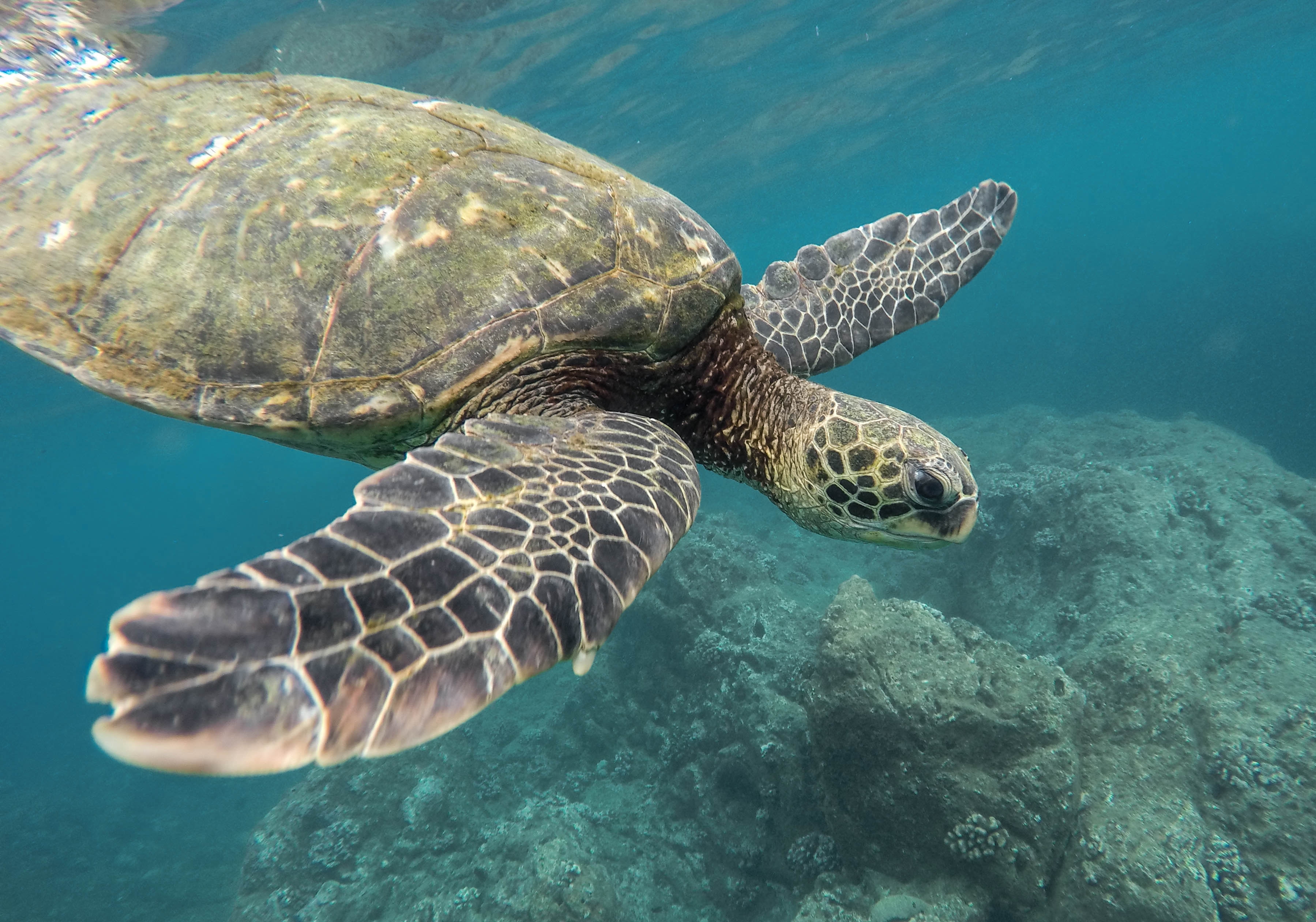
Tortuguero National Park, located between land and sea on the northeastern coast of the country, bordered by the Caribbean Sea, protects one of the world's largest sea turtle breeding sites. In particular, it is a favorite nesting site for the green sea turtle (Chelonia mydas), although it is also frequented by other marine reptile species.
Established in September 1970 and expanded several times both at sea and on land to protect various marine and terrestrial habitats, the national park now covers 76,937 hectares, mostly at sea (50,284 hectares) and the remainder on land, protecting the coastal mangrove forest and the lush rainforest further inland. Over the past century, this forest was subject to systematic deforestation, which threatened to destroy it and, with it, the many plant and animal species that make it a true natural paradise. Indeed, of the enormous protected area, covering over 300 square kilometers, 99 percent is a strict reserve, and only 1 percent is open to guided tours, organized by the community living in the small village of Tortuguero, located on a spectacular lagoon nestled between the sea and the river that flows through the forest.
Turtle Beach
The accessible part of the park also includes the long beach where every year, between summer and late autumn, sea turtles build their nests. Thousands of turtles, mostly green, return to lay their eggs in the same place where they hatched. It is estimated that Tortuguero beach is frequented by over twenty thousand turtles, making it considered the most important site in the Western Hemisphere for their reproduction. This occurs for each adult turtle every two or three years, when the animal repeatedly rises from the sea to dig nests in the sand, releasing up to one hundred of the approximately five hundred eggs it lays each year. These eggs are programmed to hatch after 50 or 60 days of incubation. Of those hatchlings, only one in five hundred will reach sexual maturity, between the ages of 25 and 40. This undoubtedly contributes to the vulnerability of the species, which is considered globally endangered. Fortunately, the protection established in key sites like Tortuguero has also begun to bear fruit, so much so that the animal was recently recognized as no longer at risk of extinction, even though its situation remains critical due to pollution, collisions with vessels, industrial fishing, and, equally impactful, human disturbance of its breeding sites, both during the egg-laying and hatching phases.
In Tortuguero, throughout the summer until October, you can witness the breeding of hundreds of sea turtles. Visitors must stay at a safe distance, always accompanied, and with strictly limited entry to avoid disturbing the animals in the most important mission of their long lives. This mission, once hatched and reaching the sea, will lead them to migrate thousands of miles across the planet's oceans. Specifically, the green sea turtle lives in tropical and subtropical seas, in pelagic and coastal waters, both near coral reefs and in sandy bottom areas, down to 30-40 meters deep. The Atlantic, Pacific, and Indian Oceans are home to grazing and breeding grounds for male and female turtles, as well as nesting beaches.
In addition to the green turtle (Chelonia mydas), the leatherback turtle (Dermochelys coriacea), the hawksbill turtle (Eretmochelys imbricata), and the more common loggerhead turtle (Caretta caretta) also breed in Tortuguero, though in much smaller numbers. Of all the species, the green turtle is the only one that, as an adult, is almost exclusively vegetarian, feeding on seagrasses and algae. This characteristic determines the color of its body fat, which is the origin of its common name.
Tortuguero National Park is also a key breeding site for the Caribbean manatee (Trichechus manatus), a mammal that spends its long life (up to fifty years) at sea, but also travels up rivers. It is a rather solitary animal, meeting with other animals mainly during the breeding season, after which females give birth to a single calf after a 12-month gestation period. This single calf affects the population of the species, which is listed by the IUCN as vulnerable.
The terrestrial park, crisscrossed by a dense network of canals accessible by canoe and covered by vast marshes, is home to extraordinary biodiversity. Reptiles include freshwater turtles, the rare black forest turtle (Rhinoclemmys funerea), caimans (Caiman crocodilus), iguanas, and basilisks. Mammals include sloths (Bradypus tridactylus), pumas (Puma concolor), jaguars (Panthera onca), and various species of monkeys, including the howler monkey (Alouatta). Birdlife is also noteworthy, with various species of toucans, ibises, and parrots, as well as three endangered species: the green macaw (Ara ambiguus), the white-wattled jacana (Jacana jacana), and the common anhinga (Aninga aninga), which live in the canals.
Also of enormous importance is the diversity of its flora, with approximately two thousand species. A true green paradise that was at risk of being lost due to systematic deforestation, including by the locals. This was halted by the establishment of the park, which has repurposed the residents as environmental guides and primary guardians of their land's ecological heritage.