

Discover Italia ti invita a esplorare le meraviglie del pianeta blu

It is usually the first bird that comes spontaneously to mind with the marine environment. A faithful companion during sea voyages or in coastal areas, but increasingly often, now, also a constant presence in inland areas and in large cities, where with its peers it is permanently settled near landfills or waste collection points.
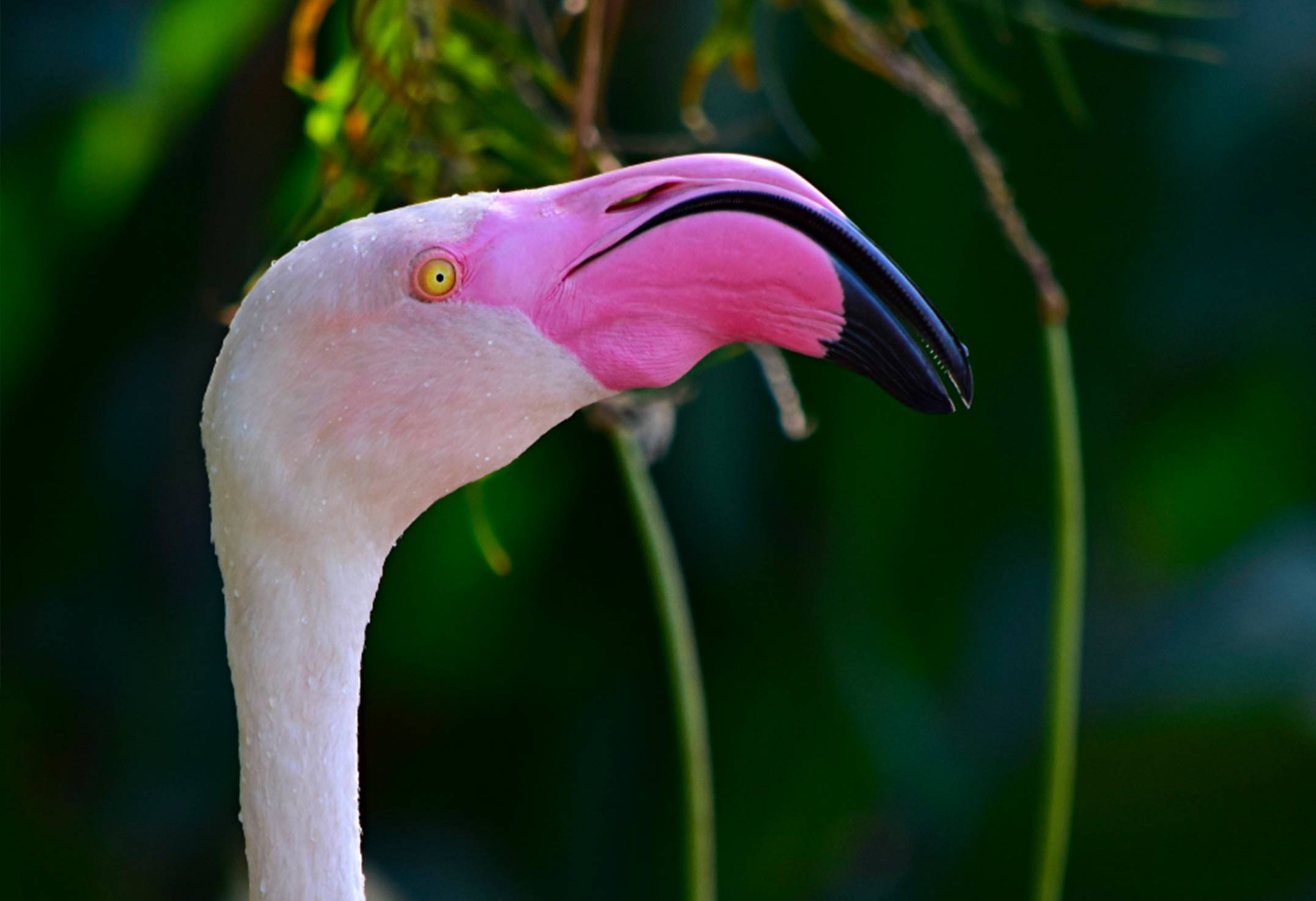
When it emerges grayish white from the egg, its webbed feet are already pink. Like its beak, still very short, to allow it to be nourished by the long curved beak of its parents with the milky and extremely nutritious substance that they produce from special glands, during the period of raising their only chick. It is quite precocious and does not stay long in the nest, where the adults take turns caring for it, to go and get food. But even with the appearance of the juvenile plumage, the chick of the Phoenicoprterus roseus remains predominantly white, although the first gray and black feathers also begin to stand out. Black will forever remain the color of all the powerful flight feathers, thanks to which it will be able to complete its long seasonal migrations. The rest of the large body with the long neck will gradually acquire, increasingly marked with age, the spectacular characteristic coloration of the pink flamingo.
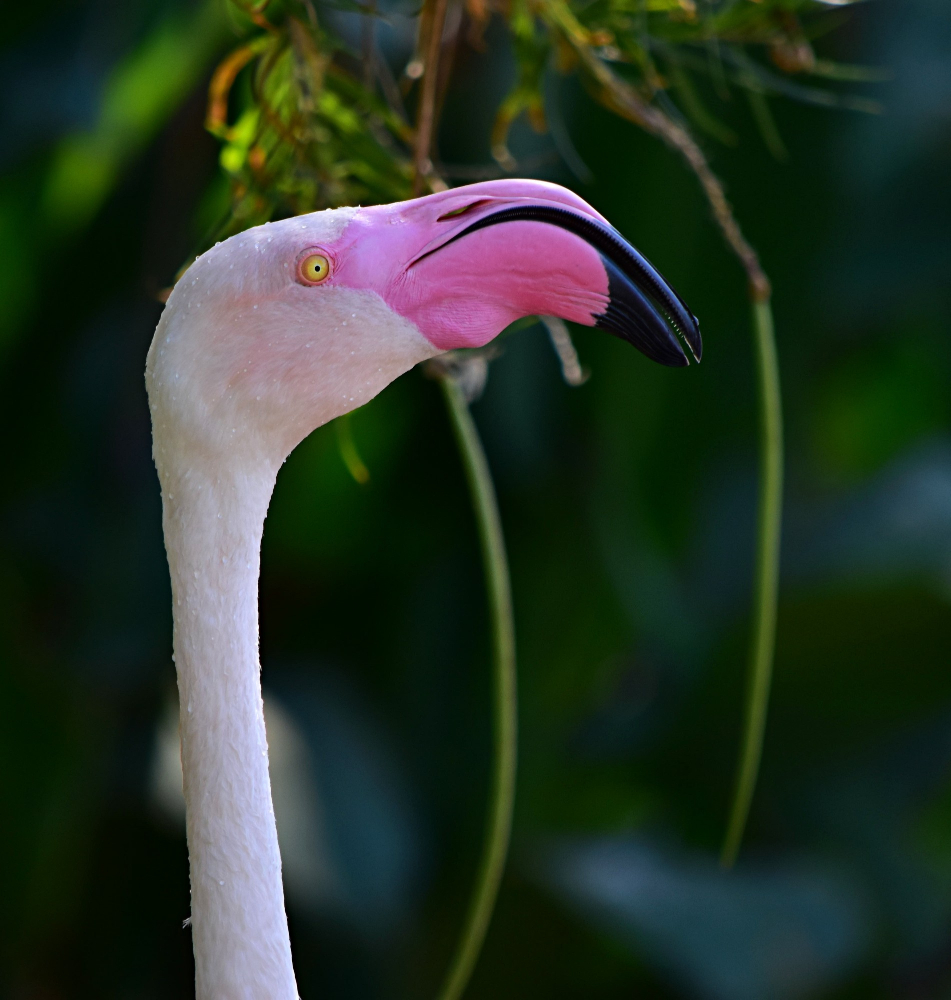
The distinctive color, in the adult phase, is declined in the most varied tones and shades, from the most delicate of the plumage to the more decisive, even in some places gaudy, of the wing coverts, depending on the age, the different parts of the body and above all the food that the flamingos feed on. Yes, because the pink and its gradation depend on the diet, in particular on the availability in their diet of small crustaceans such as Artemia salina rich in carotenoids, which are deposited in the feathers coloring them.
Among the six species of flamingos existing in the world, the pink one lives in the Mediterranean, as well as in the rest of Europe, in Africa and in Asia. In Italy, it is estimated that at least 15 thousand individuals are sedentary, thousands more arrive with seasonal migrations and populate the ponds of Sardinia, the salt pans of Trapani and the nearby Egadi, other wetlands also near Marine Protected Areas. Its habitat coincides precisely with the coastal wetlands, where there are shallow and brackish waters.
These are social birds, which gather in colonies of thousands of individuals, especially during the spring nesting periods, when they meet in the chosen areas, not necessarily always the same ones, where they find the best conditions for reproduction, preceded by complex group nuptial displays. They are monogamous and each couple builds its own conical mud nest, where it lays a single egg. And always together, the male and female take care of the incubation and, after hatching, of the raising of the single chick that, after about ten days, leaves the nest to join other peers in large groups looked after by a few adults, allowing the others to move in search of food. The first flights of the chicks begin around two months, while they reach sexual maturity in the second or third year of life, when the pink of the livery becomes more evident.
The long curved beak, fuchsia pink with a black tip, is shaped so that it filters the water through special lamellae that it expels after having retained crustaceans, bivalves, annelids and larvae, small blue-green algae, seeds and plant fragments. It can also use very salty water, such as in salt marshes, since it is equipped like other sea birds with a salt gland, which allows it to expel excess salt from the nose. Another fundamental gland (uropygial) is located above the tail and secretes sebum, in this case also containing beta-carotene, which the animal spreads with its beak on the plumage, after having carefully cleaned and washed it, to restore its impermeability. With this operation, flamingos also revive the pink/reddish color.
At rest, flamingos often stand on one leg, while the other is drawn up against their body. The usefulness of this behavior is not yet understood. But they are migratory birds, which make long and frequent journeys throughout the year, thanks to their powerful wings and a wingspan that in adult males can exceed one and a half meters. And watching them as they slowly take flight or while they are traveling, unmistakable for their color, is an unforgettable spectacle.
Due to the risk of loss of their habitat, flamingos are an internationally protected species by the EU Birds Directive and the Barcelona and Bern Conventions.
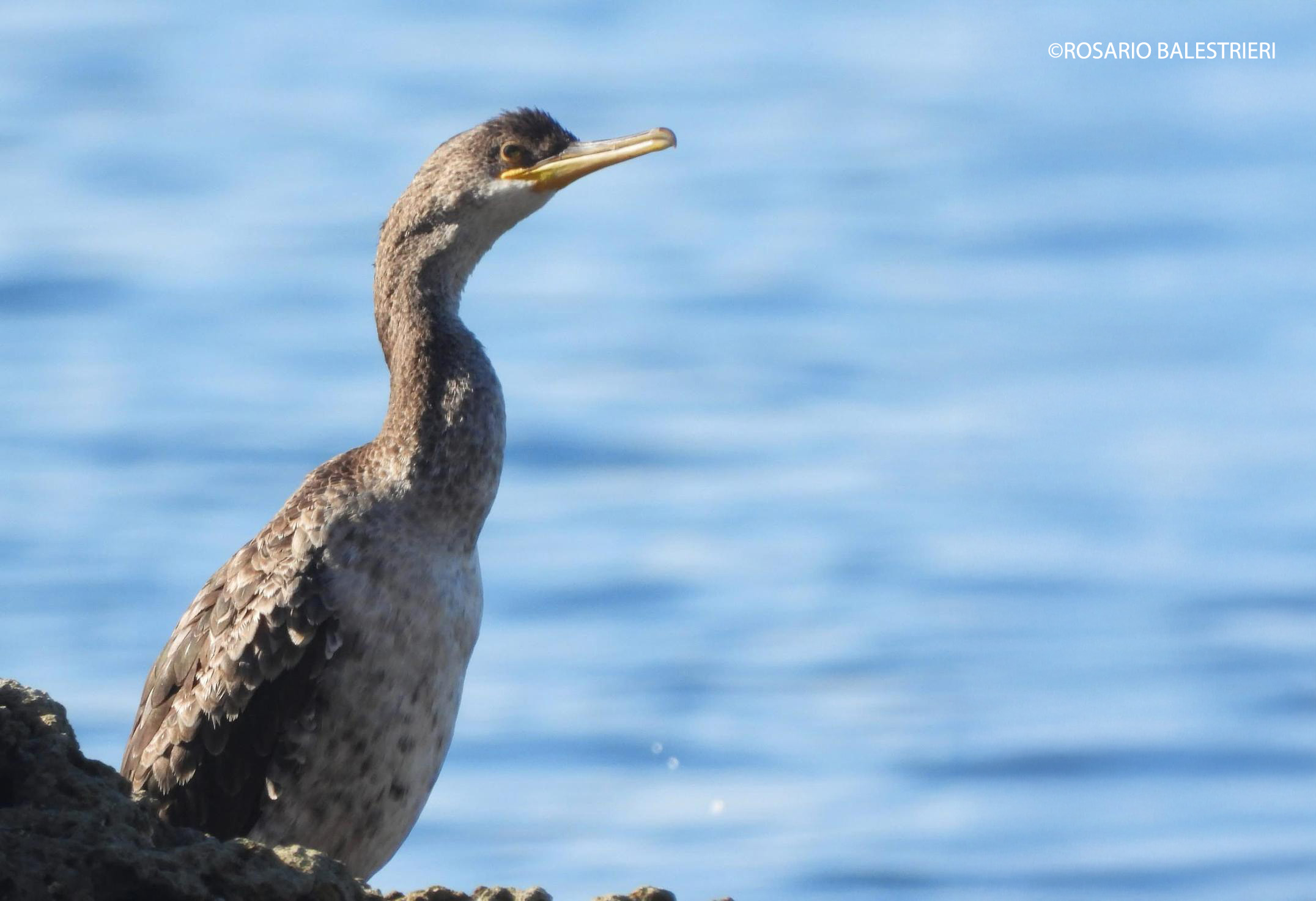
The element that most distinguishes it even to the least expert eye, so much so that it is included in its common name, is a tuft of curved feathers on the head that is part of the male's nuptial plumage.
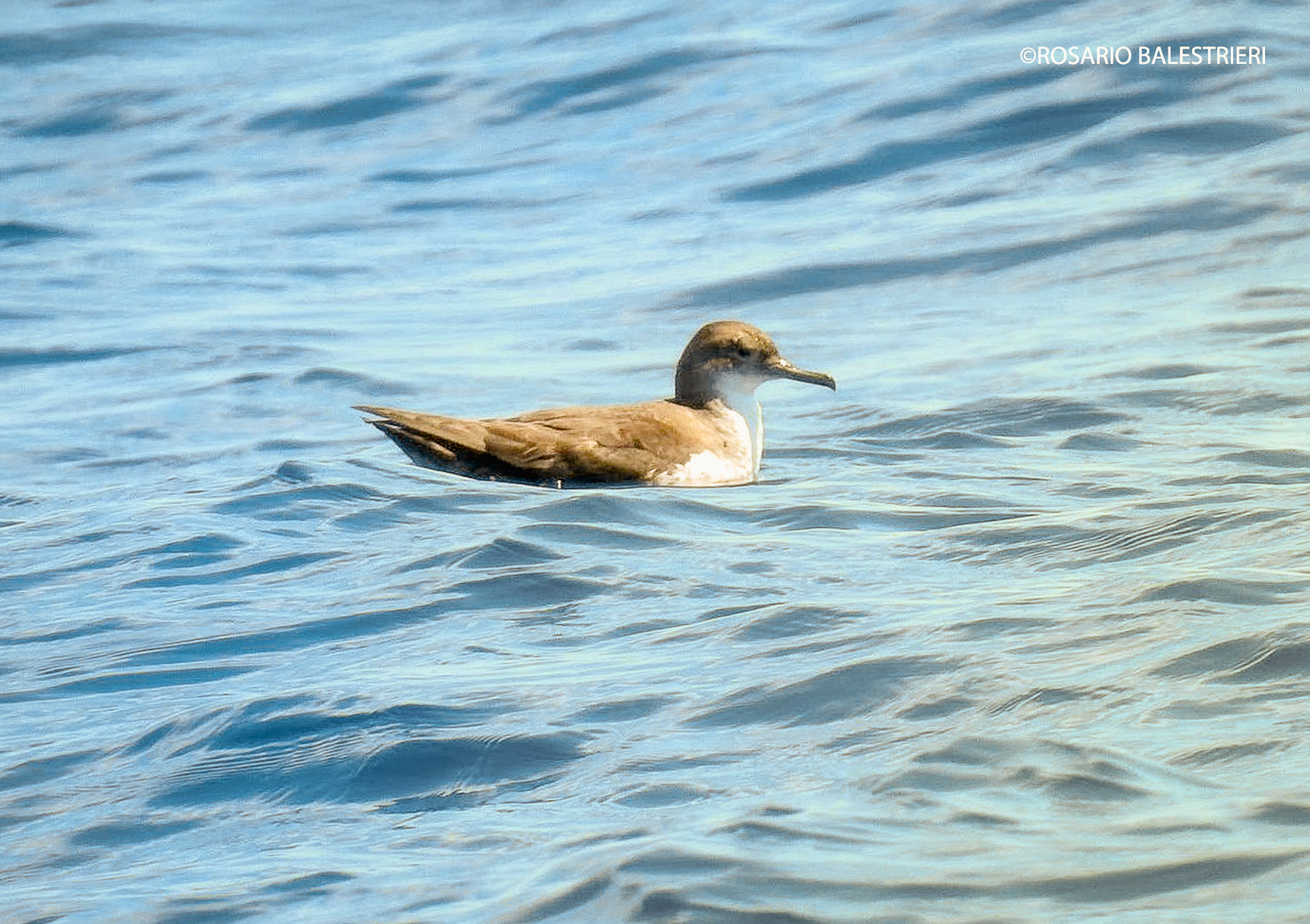
The flight is long and demanding, the search frantic. Every day, when the color of the night gives way to the first light of dawn, until the setting sun floods the surface of the sea with gold.
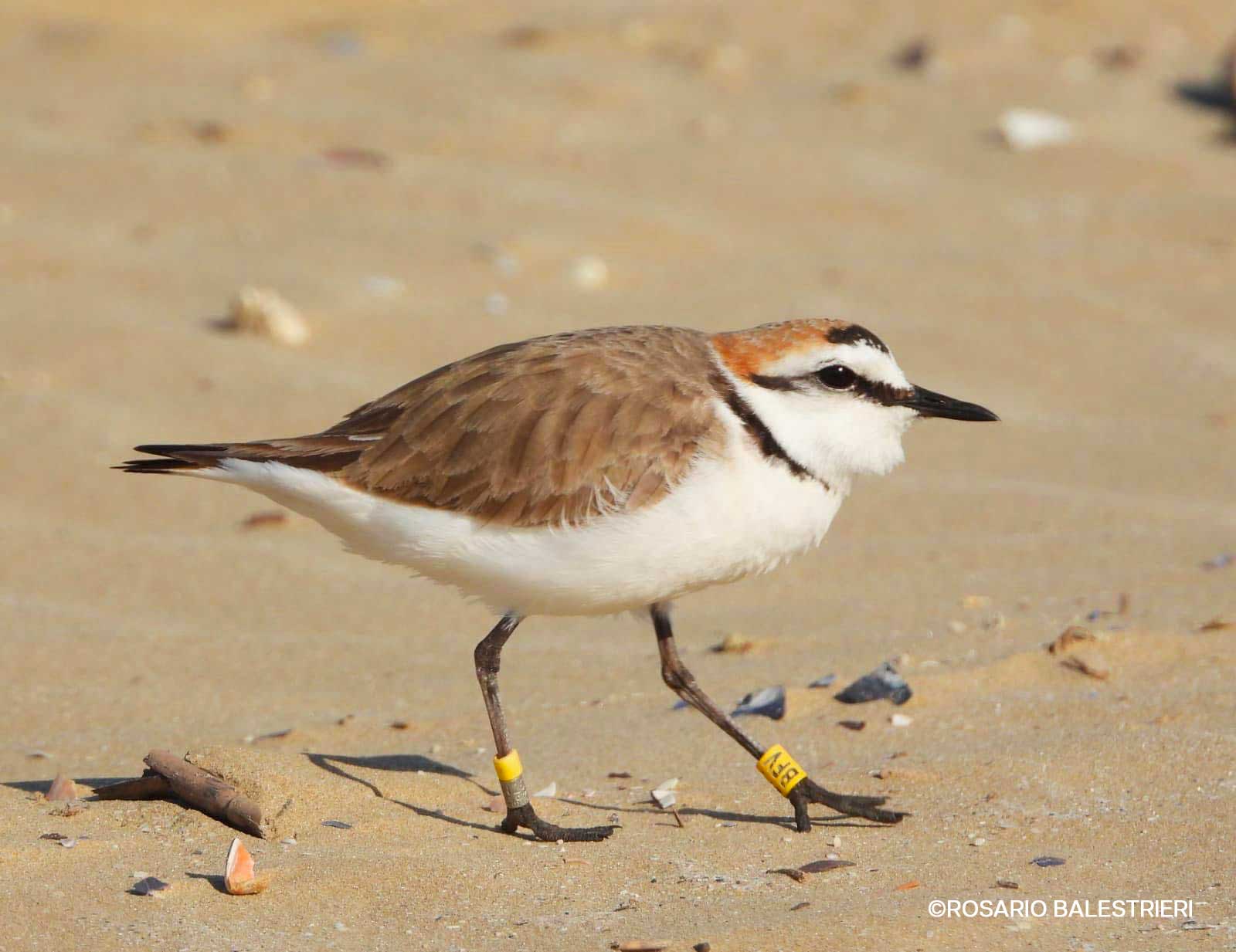
If it were not always on the move, while it explores the shoreline with its long beak in search of food, its livery and size would make it impossible to distinguish it in the expanse of sand.
In the wild and sheltered rocky ravines of the islet of Vivara, they can nest undisturbed and contribute to the survival of their species, which is still in danger.


Copyright © 2026 Mare.it. All rights reserved.
The texts published on this site have not been generated by AI (Artificial Intelligence).